
Fast, Reliable Attic Insulation Across Rolling Hills
Attic insulation in Rolling Hills costs $2,800-$8,500 for a full replacement on the sprawling single-story ranch homes here, and top-ups on 4,000+ sq ft attic planes typically run $1,900-$4,200. Those numbers are higher than nearby Torrance for one simple reason: Rolling Hills attics are enormous, low-pitched, and constantly fighting the marine layer’s damp air. We know this because we’ve worked on ranches from Portuguese Bend Road to the equestrian parcels near the Dapplegray riding trails. Our crews pre-clear every Rolling Hills gate, arrive in one fully equipped truck, and finish most jobs same-day. Call Walt’s team at (424) 955-2557 and you’ll get a live person, not a voicemail.
Why Walt’s Insulation Is Rolling Hills’s Preferred Attic Insulation Company
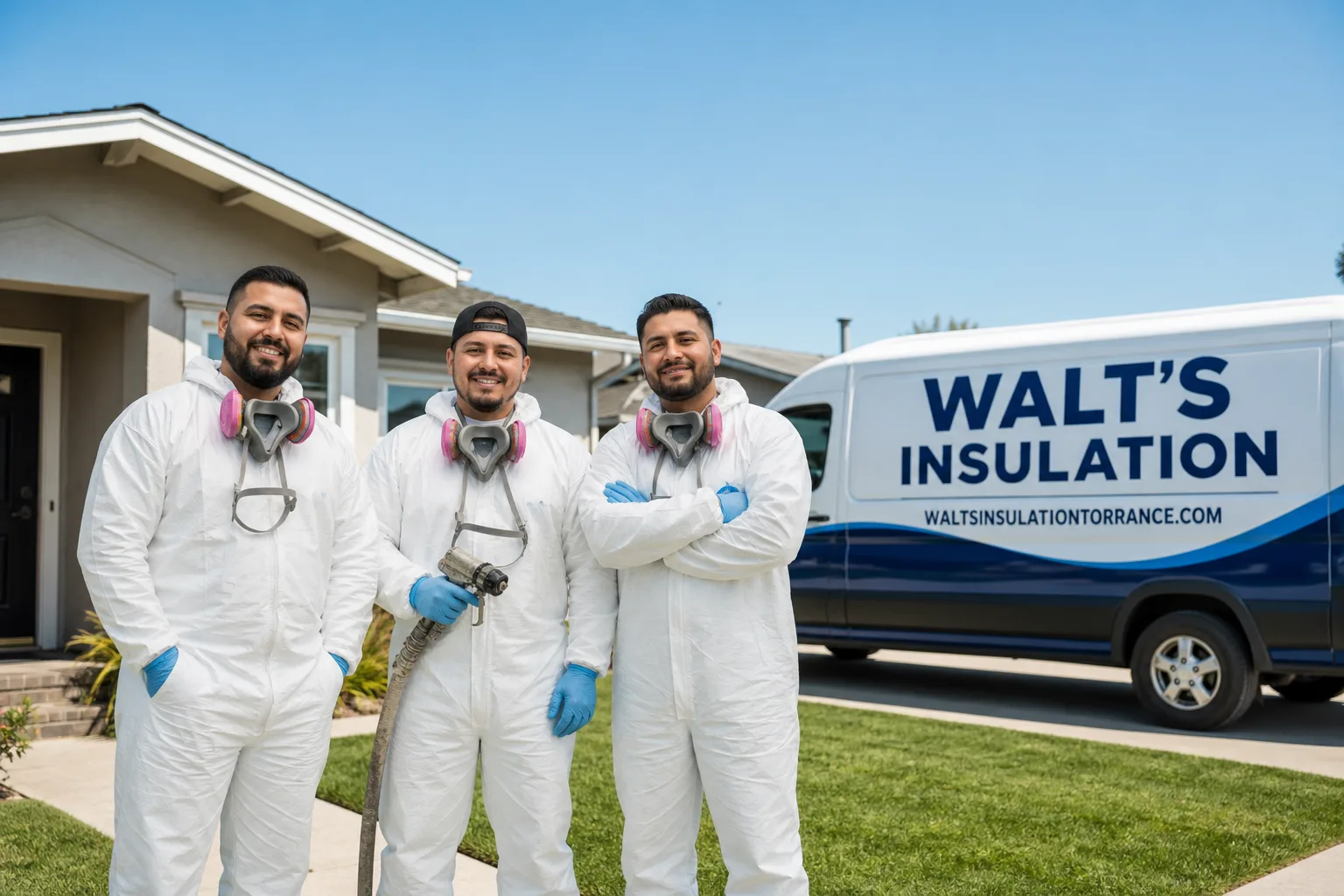
Rolling Hills homeowners don’t tolerate vague answers or crew no-shows, and neither do we. Walt’s Insulation was founded in 2000, which means we’ve been pulling up to the RHCA guard gates long enough to know exactly how scheduling works here. No surprise reroutes, no trucks turned away. We submit visitor clearances in advance, and our uniformed, background-checked technicians arrive with a plan that accounts for the gated entry, the long drives, and the scale of the attic work ahead.
What keeps Rolling Hills customers calling us back isn’t a clever tagline. It’s that we answer the phone live, 24/7, and we stand behind every job with the Done Right Promise: if it’s not done right, we make it right. No runaround. That’s the one down the road advantage, and it’s what a gated city like this actually needs.
We recently insulated a 1960s ranch home on Portuguese Bend Road where the original Johns Manville batts had compressed and molded from years of marine air infiltration. Our crew pre-cleared through the Rolling Hills guard gate, then removed the degraded material, air-sealed the attic floor, and blew in 18 inches of GreenFiber cellulose across the entire 5,200-square-foot attic plane in a single day. The homeowner appreciated that the one-trip approach meant no need to coordinate multiple gate clearances for follow-up visits.
Our Attic Insulation Services in Rolling Hills
Every Attic Insulation project we take on in Rolling Hills starts with the same reality check: this is not a standard suburban attic. The CC&R-mandated single-story layout means roof planes stretch 4,000-7,000 sq ft under one continuous low-pitched deck. That changes how we approach material selection, air sealing, and ventilation. Here are the services Rolling Hills homeowners call us for most.
Attic Insulation Replacement
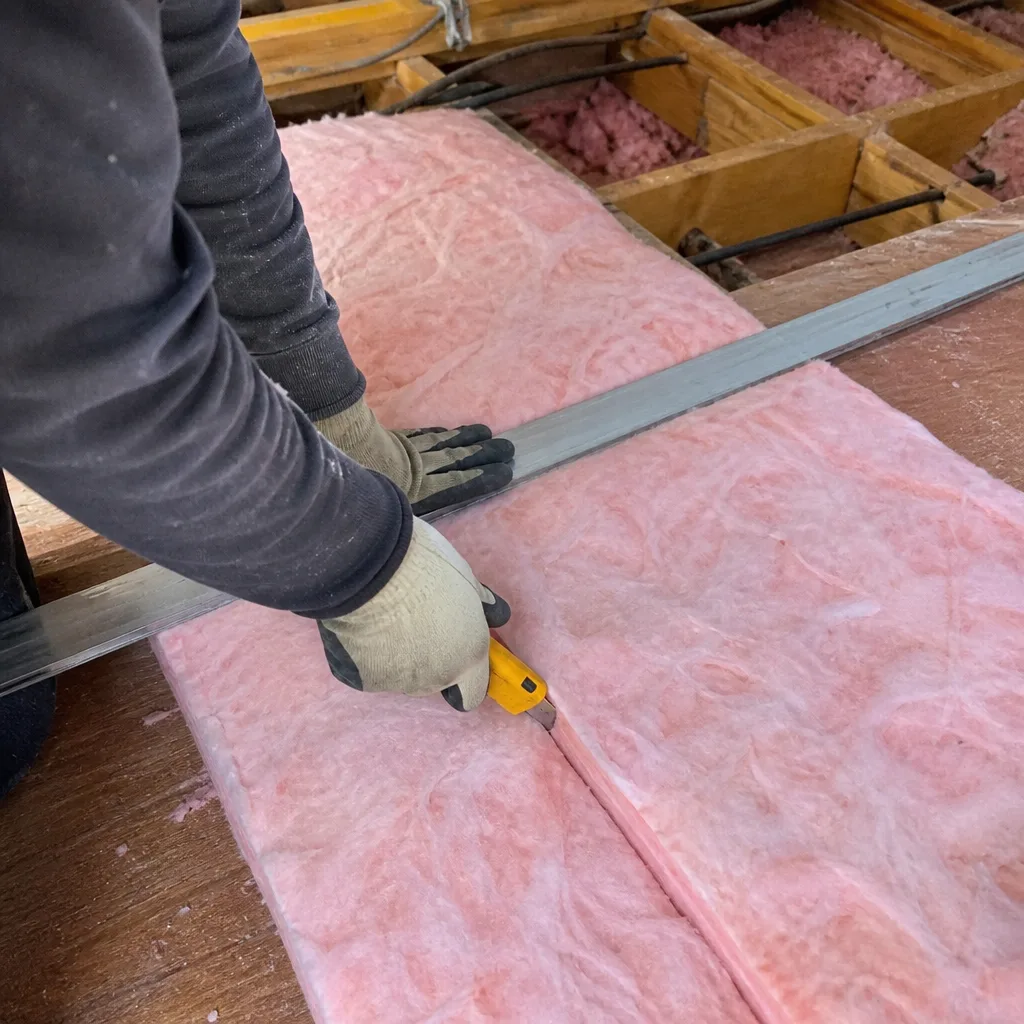
Most Rolling Hills homes were built between the 1950s and 1980s, and the original insulation in those attics has usually failed. Fiberglass batts sag, compress, and hold moisture from the marine layer, dropping their R-value well below what the label promises. We remove the old material, inspect the deck for mold or rodent damage, air-seal the attic floor, and install fresh insulation sized to the actual depth of your rafter bays. For ranch attics this size, replacement is usually a one-day job, but we plan around gate clearances so the truck doesn’t get turned away mid-project.
Attic Batt Insulation
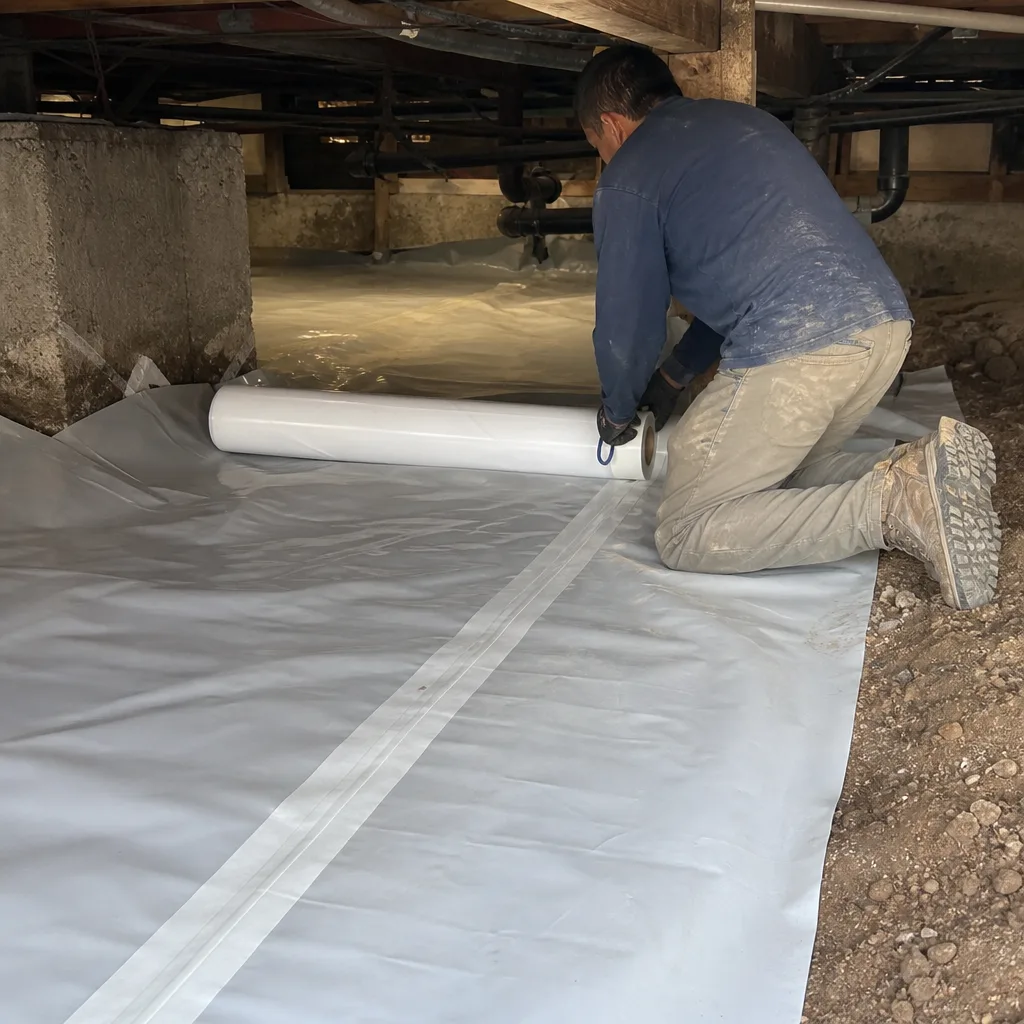
Batt insulation still has a place in Rolling Hills, but only when it’s installed correctly. The low-pitched roofs here create shallow attic cavities where compressed batts lose almost all their R-value. We cut and fit Knauf or CertainTeed batts to match the true bay width, never forcing them into spaces where they’ll fold or bunch. In outbuildings and equestrian barns, which many Rolling Hills parcels include, batts often make more sense than blown-in material because the slopes and lofts are irregular.
Attic Insulation Top-Up
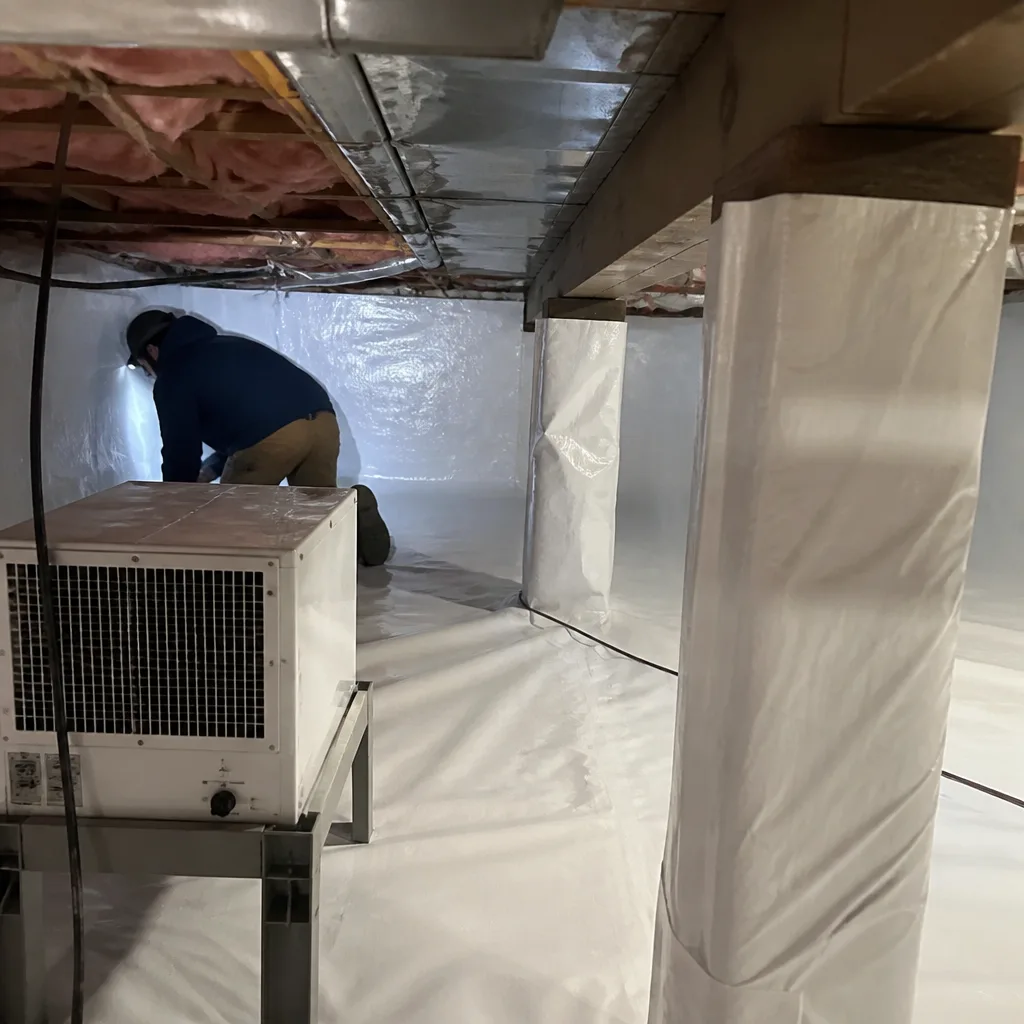
If your existing insulation is mostly intact but measuring thin, a top-up can get you back to code depth without a full removal. In Rolling Hills, top-ups often pair with air sealing because the real enemy isn’t thin coverage; it’s the damp air moving up through recessed can lights and ceiling penetrations. We blow additional cellulose or fiberglass over the existing layer and seal the bypasses, which is a two-birds-one-truck kind of fix.
Attic Baffles & Ventilation Prep
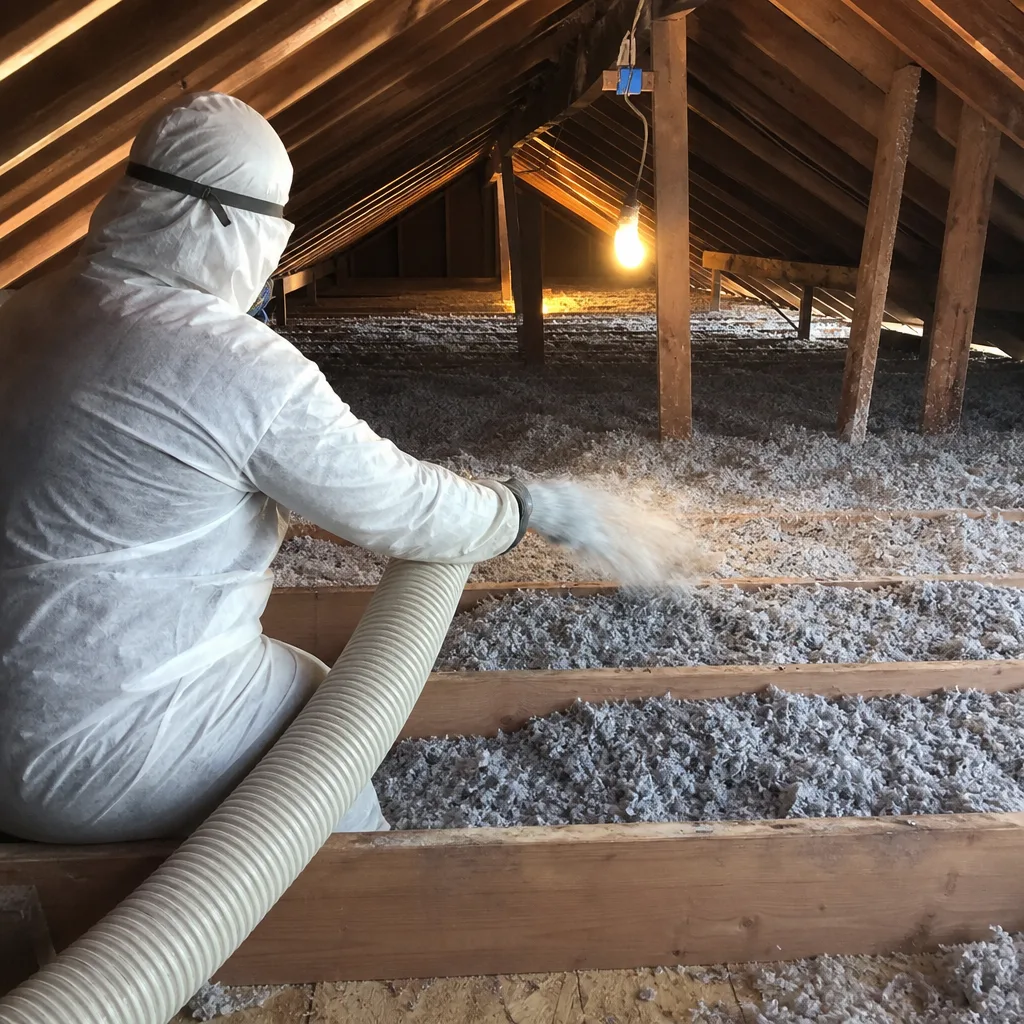
Rolling Hills attics need ventilation help more than almost any other city on the Palos Verdes Peninsula. The shallow roof pitch means soffit vents get buried by insulation quickly, especially when someone has added blown-in material without checking the baffles first. We install or replace baffles at every rafter bay before adding insulation, and we clear any blockage that’s trapping humid air against the roof sheathing. Skip this step and you’ll be replacing moldy insulation again in five years.
What happens when you call
- 1
A real person answersNo phone trees - you reach a local pro.
- 2
You get an upfront price rangeHonest numbers before anyone is dispatched.
- 3
A background-checked tech heads outLicensed & insured, dispatched right away.
- 4
You approve before work beginsNothing starts until you say go.
Trusted Brands We Service in Rolling Hills
We install and service insulation from Johns Manville, Knauf, CertainTeed, and Rockwool, and we don’t play favorites where the material doesn’t earn it. For Rolling Hills specifically, moisture resistance matters more than it does inland. Closed-cell and mineral-wool products from Rockwool handle the damp marine air better than paper-faced fiberglass in chronically humid attics, while Johns Manville and Knauf blown-in products give us the coverage depth these huge ranch planes need. We keep common materials in stock so that when a Rolling Hills job gets cleared through the gate, we roll up ready to finish that day.
Common Attic Insulation Problems We See in Rolling Hills Homes
- Sagging, compressed fiberglass batts. The original 1950s-1980s insulation in most Rolling Hills ranches has been flattened by decades of gravity and moisture absorption, dropping its effective R-value by 30-50% compared to its labeled rating.
- Blocked soffit vents from missing or crushed baffles. In low-pitched, sprawling attics, blown-in insulation tends to drift over the eaves, choking off the only ventilation path and trapping marine-layer humidity against the roof deck. We see mold streaks on the sheathing regularly.
- Bypasses around recessed can lights and ceiling penetrations. Mid-century ranch layouts scattered dozens of ceiling fixtures across these large attics, and every one of them leaks conditioned air in the summer and winter. Air sealing before top-up or replacement is not optional here.
- Rodent activity in the attic plane. The open acreage and equestrian properties around Rolling Hills mean mice and rats find their way into attics more often than in denser neighborhoods, and they compress and contaminate insulation fast. We inspect and sanitize before laying new material.
Pricing for Attic Insulation in Rolling Hills, CA
A full attic insulation replacement in Rolling Hills runs $2,800-$8,500 depending on the square footage of the attic plane, the depth of existing material that needs removal, and how much air sealing the home requires. Attic top-ups on 4,000+ sq ft ranches start around $1,900 and go up to $4,200 when we’re adding baffles and sealing bypasses. Batt insulation for detached workshops or equestrian outbuildings typically runs $1,200-$3,500. What drives the cost here, more than any other factor, is the scale: a 5,000-square-foot low-pitched attic is simply more material and more labor hours than a 1,800-square-foot tract home down in Torrance. Call (424) 955-2557 for a written estimate. We offer a free second opinion on any written quote, and there’s no trip charge for Rolling Hills addresses inside our service county. Seniors and veterans get 10% off, always.
We Also Serve Cities Near Rolling Hills
Walt’s Insulation runs crews into Rolling Hills every week, and the same team covers nearby communities including Torrance, Culver City, Lakewood, and Commerce. If you’re on the Peninsula or in the surrounding LA Basin neighborhoods, call (424) 955-2557 and we’ll let you know what our next available date looks like for your area.
Serving Rolling Hills, CA - Our Local Coverage Area
We’re based in the Rolling Hills area and know this community well. Use the map below to see our service coverage - if you’re nearby, we can almost certainly help.
FAQs - Attic Insulation in Rolling Hills
Yes, every crew and vehicle entering Rolling Hills must be pre-cleared through the RHCA visitor system before arrival. We handle that coordination for you. When you book, we get your name, address, and job date, then submit the clearance paperwork ourselves. Our trucks have entered on time on every job we’ve done in this city because we build the gate clearance into our scheduling, not after the fact. Call (424) 955-2557 and we’ll walk you through the process.
Yes, blown-in insulation works well in large low-pitched attics, provided the baffles are installed correctly first and the material reaches the target depth without restricting ventilation. On Rolling Hills ranch homes we typically blow cellulose or fiberglass to R-38 or R-49 depth depending on the existing framing and roof deck condition. The low pitch matters less than most people assume. What matters more is keeping the soffit vents open and sealing the bypasses before the material goes down.
Rolling Hills sits roughly 800 feet above sea level, which means it’s cooler and damper than Torrance below, and the marine layer hangs over these attic cavities year-round. In Torrance, attic moisture tends to be seasonal. In Rolling Hills, the damp air infiltration is persistent, which is why we see fiberglass batts mold and compress at a rate you simply don’t get down the hill. The fix is usually moisture-resistant material like Rockwool or a closed-cell approach at the attic floor, paired with better ventilation.
Yes, we insulate detached workshops, barn tack rooms, and other outbuildings on Rolling Hills parcels. These structures often have irregular framing, exposed rafters, and no existing ventilation, so we usually start with a quick site visit to confirm the best approach. Batts from Knauf or CertainTeed typically work better in post-and-beam outbuildings than blown-in material, but we’ll tell you what fits after seeing the space. Estimates are free, and there’s no trip charge inside the county.
For Rolling Hills ranch homes with 4,000+ sq ft attic planes and persistent humidity, we usually recommend Rockwool batts or blown-in cellulose paired with full air sealing and baffle replacement, because both materials hold their R-value better than fiberglass in damp conditions. If the attic is a known moisture problem, closed-cell spray foam at the attic floor is the most aggressive fix, but it costs more. Call (424) 955-2557 and we’ll give you a straight recommendation based on your specific roof, not a generic guess.
Written by Walt Brenner, Owner at Walt’s Insulation, serving Rolling Hills since 2000.