

Fast, Reliable Crawl Space Encapsulation & Vapor Barrier Across Culver City
Crawl space encapsulation in Culver City typically runs $4,800-$11,500 depending on square footage, access, and the condition of your existing foundation vents. Most jobs are done in 1-3 days, and we schedule crews from our Los Angeles dispatch office into Culver City neighborhoods every week. The reason encapsulation matters more here than in the Valley comes down to one thing: the marine layer. Culver City’s morning fog doesn’t just sit on your lawn. It rolls straight into the dirt-floored crawl spaces under the 1920s-1950s homes that make up Carlson Park, Blair Hills, and Fox Hills, and it stays there. Call Walt’s Insulation at (424) 955-2557 and a live person answers, 24/7, not a voicemail tree.
Why Walt’s Insulation Is Culver City’s Preferred Crawl Space Encapsulation & Vapor Barrier Company
We’re the one down the road. Not a franchise. Not a call center routing tickets to whoever’s cheapest this week. Walt Brenner founded this company in 2000, and we’ve been working on pier-and-beam homes like the ones that fill Culver City’s residential grid ever since. When you call, you get a person who knows what a Carlson Park bungalow’s foundation looks like from underneath. Our crews are background-checked and uniformed, and they show up when we say they will.
Culver City homeowners call us after a bad experience with vague quotes and no-show crews. That’s exactly why we put the Done Right Promise on every single job: if it’s not done right, we make it right, no runaround. Lifetime workmanship. Not a 90-day warranty that evaporates when the fog rolls back in.
Our response time to Culver City runs same-day for emergency calls and next-day for scheduled estimates. No trip charge inside our service county. And if you already have a written estimate from another company, bring it to us. We’ll give you a free second opinion, no pressure, no obligation.
Our Crawl Space Encapsulation & Vapor Barrier Services in Culver City
Crawl Space Vapor Barrier
A 12-mil reinforced vapor barrier is the foundation of any crawl space system in Culver City. We lay it over the dirt floor, run it up the foundation walls, and mechanically fasten it so it stays put when someone has to crawl back there later. On its own, a vapor barrier cuts the moisture load under your house dramatically. Pair it with rim joist sealing and vent control, and you’ve got a space that stays dry through the worst of the May and June marine layer.
Crawl Space Encapsulation
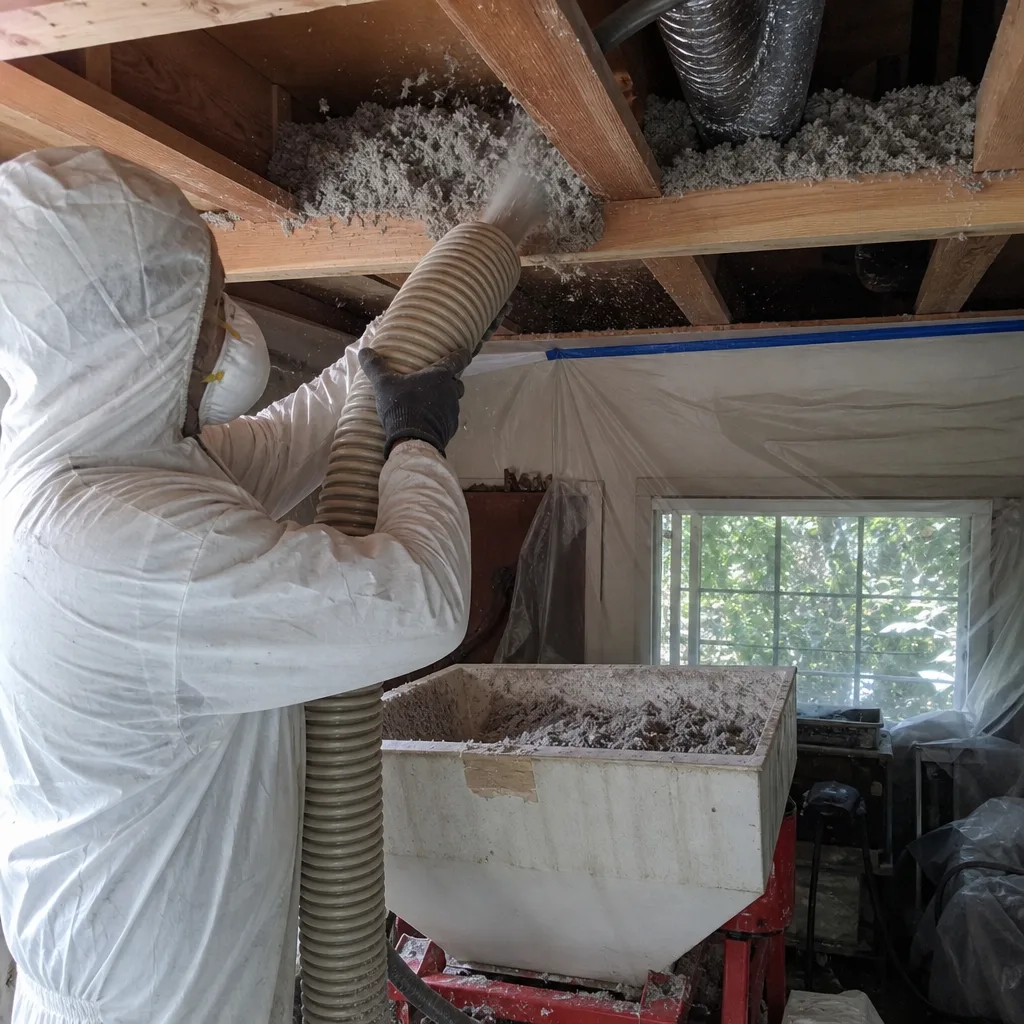
Full encapsulation goes beyond the floor. We seal the perimeter, insulate the rim joists, condition the foundation vents, and bring the whole space under control. In Culver City’s older stock, this often means working around original pier-block settlement that left gaps at the perimeter, which we seal before moisture gets trapped inside. The result is a crawl space that doesn’t breathe fog into your living room.
Crawl Space Insulation
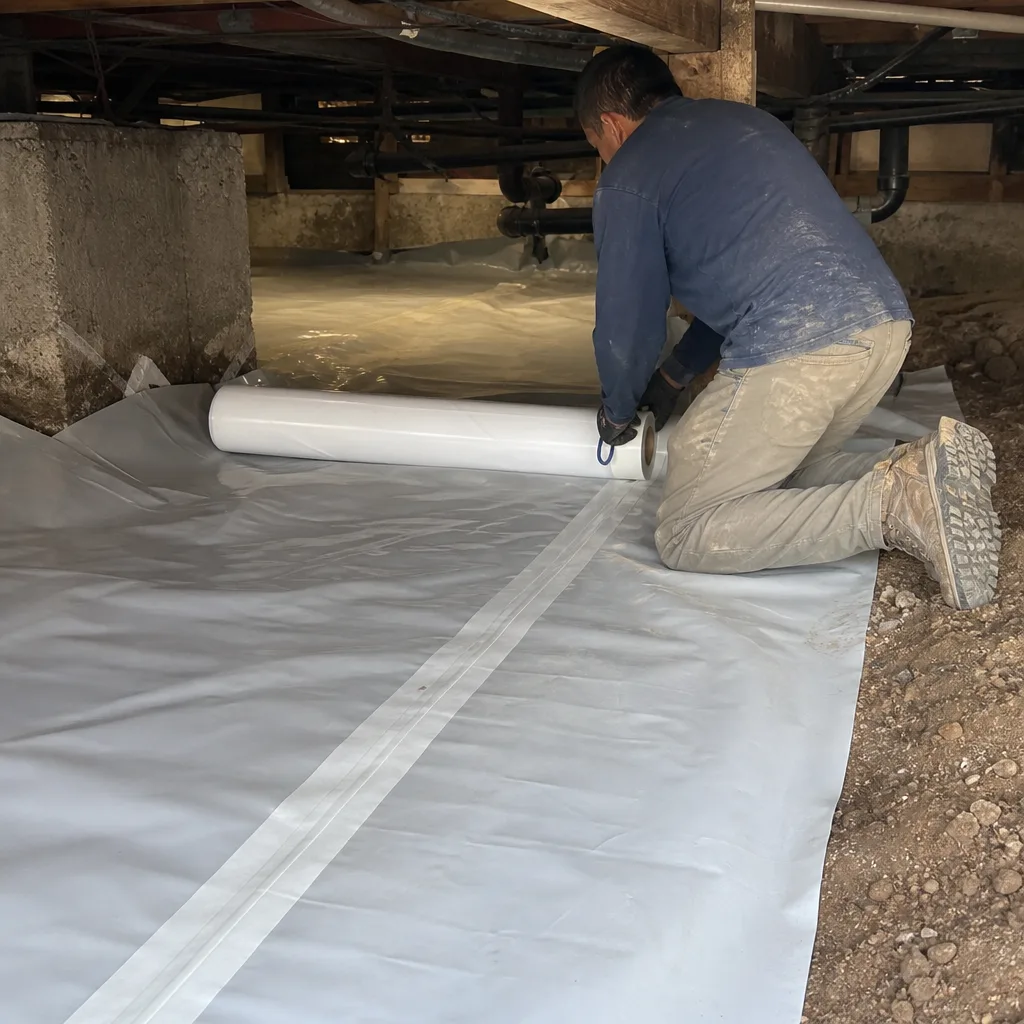
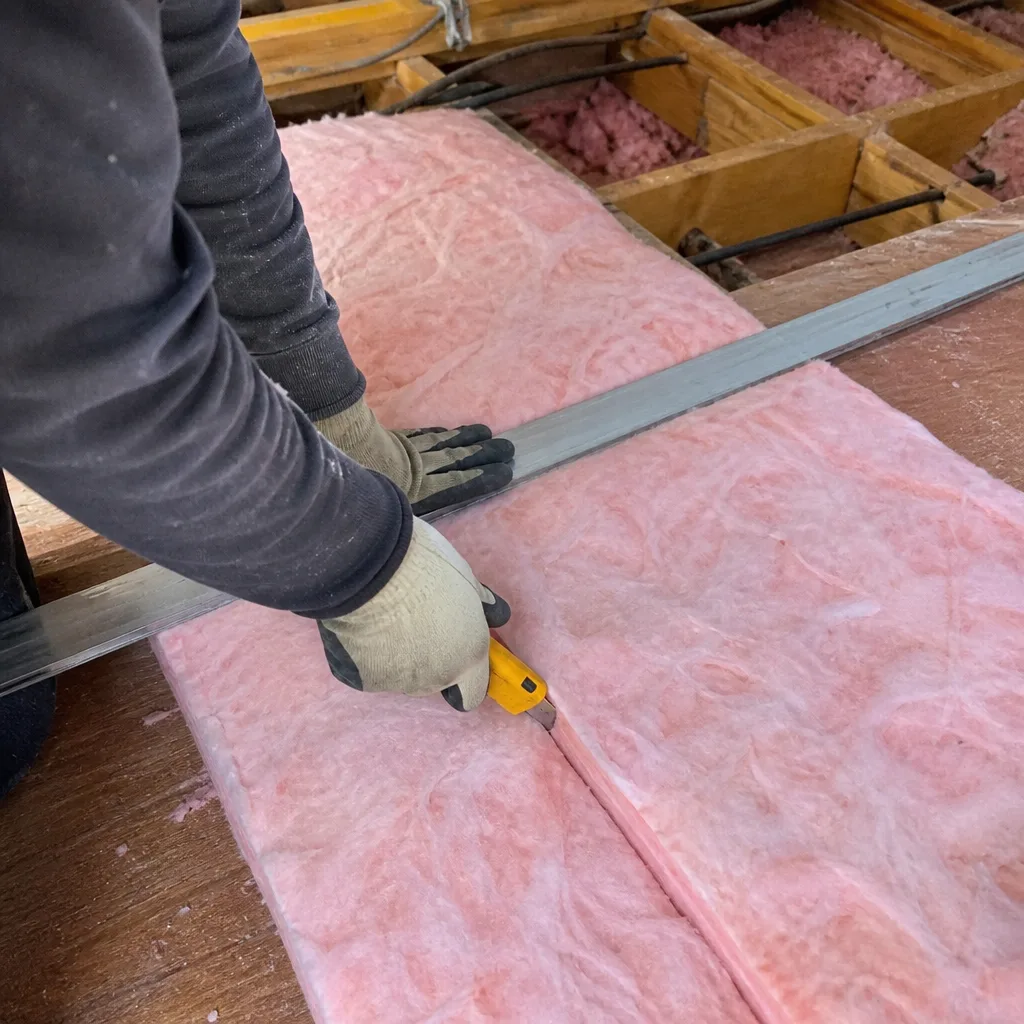
Most Culver City homes built before the 1960s have zero insulation under the floor deck. That means cold floors in winter and a direct path for moisture-laden air to condense on warm joists in summer. We typically install closed-cell spray foam on rim joists and either rigid foam board or batt insulation on foundation walls, depending on the home’s construction. We use Johns Manville and Rockwool products regularly here because they hold up in high-humidity conditions better than fiberglass batts that go limp after one fog season.
Crawl Space Moisture Control
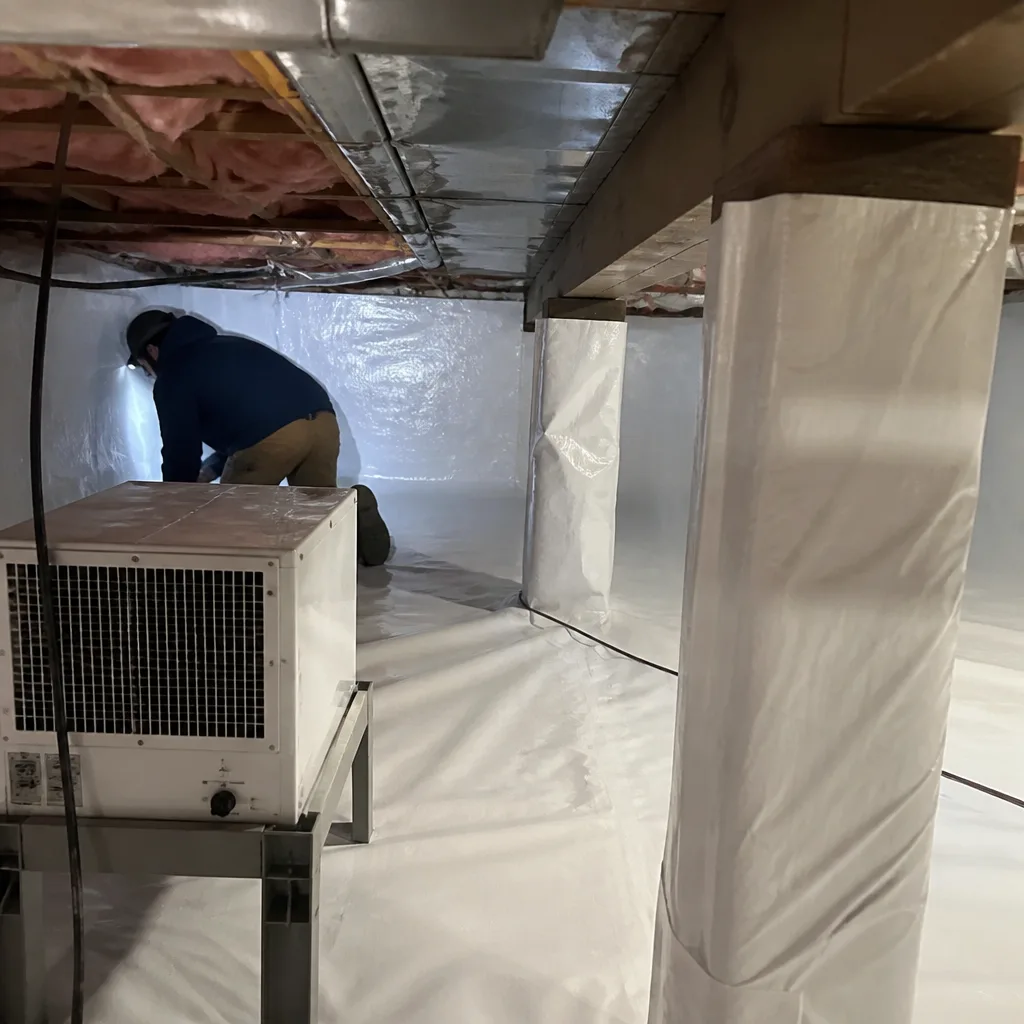
This is the service Culver City homeowners ask for most between April and July. The daily condensation cycle pulls moisture into crawl spaces through corroded galvanized vents, open gaps at the rim joist, and raw dirt that never dries out. We install dimple-mat drainage layers, automatic vent dampers, and dehumidifier systems sized to the actual square footage of your crawl space, not a generic chart. A dehumidifier in a properly sealed Culver City crawl space usually runs only when the humidity sensor trips it, so you’re not paying to run a machine 24/7.
Crawl Space Cleanout
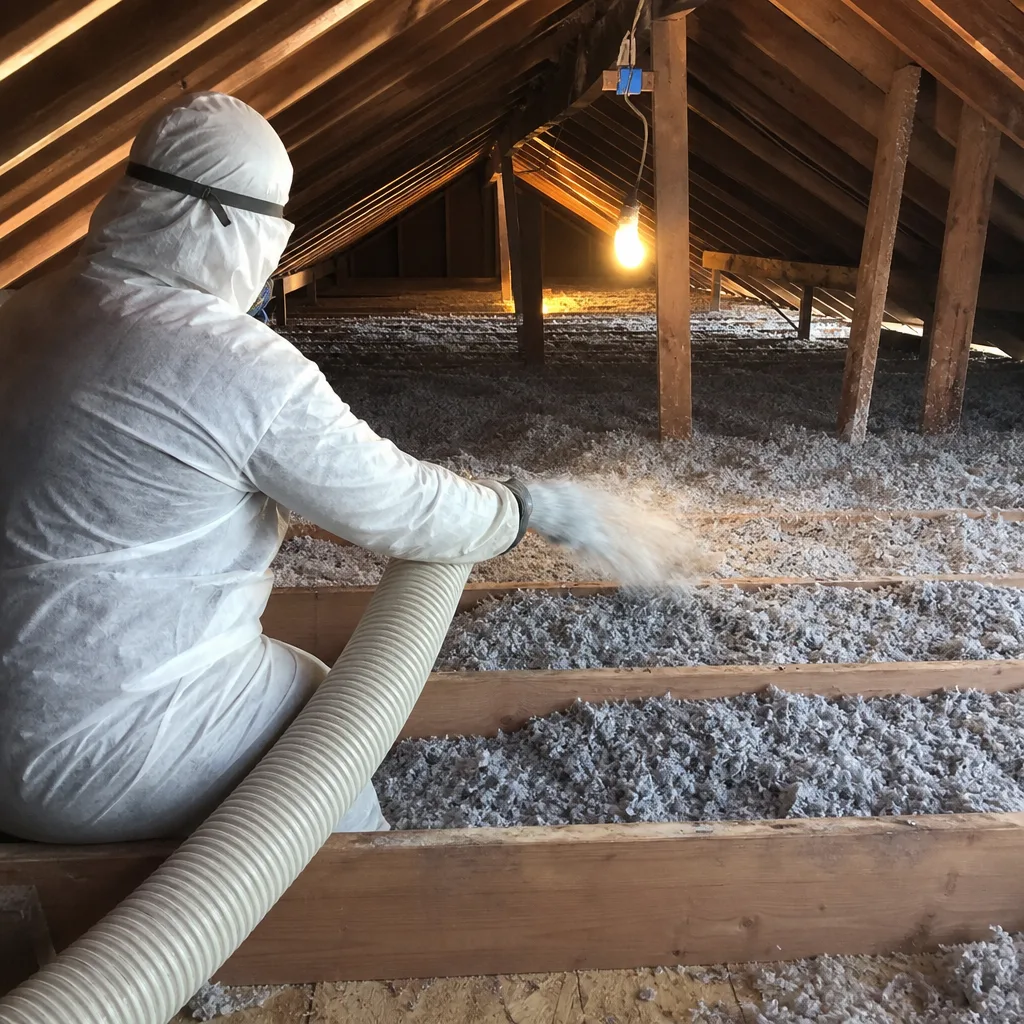
Before we can install a vapor barrier, the space has to be clean. That means removing old debris, failed fiberglass insulation, pest droppings, and whatever the previous owner left under there. Our crews suit up and do it right, and we haul everything away. No shortcuts, no “we’ll just cover it with plastic.”
Key takeaways:
What happens when you call
- 1
A real person answersNo phone trees - you reach a local pro.
- 2
You get an upfront price rangeHonest numbers before anyone is dispatched.
- 3
A background-checked tech heads outLicensed & insured, dispatched right away.
- 4
You approve before work beginsNothing starts until you say go.
Trusted Brands We Service in Culver City
We install and service crawl space systems using Johns Manville, Knauf, and CertainTeed materials because they perform in the kind of damp, salt-tinged air Culver City gets from the coast. We stock common sizes locally so the work isn’t held up waiting on a shipment from a regional warehouse two states away. If you have an existing encapsulation system using a different brand, we service that too. Most hardware is cross-compatible, and we know where to source legacy parts for older systems that were installed decades ago.
Common Crawl Space Encapsulation & Vapor Barrier Problems We See in Culver City Homes
- Morning condensation on exposed floor joists. Culver City’s marine layer stalls over the city through late morning, pushing dew points high enough that the underside of your floor deck sweats. In older homes with dirt crawl spaces and open vents, this feeds mold and rot by mid-spring every single year.
- DIY vapor barriers that trap moisture but don’t seal the perimeter. We see this constantly in Blair Hills and Carlson Park. Someone lays 6-mil poly over the dirt, doesn’t seal the edges, and within a season the humidity under the house is higher than it was before. Worse, the trapped moisture wicks soil gases and radon up through the gaps.
- Corroded galvanized foundation vents. The original vent hardware on 1920s-1950s bungalows is often rusted fully open, especially on south-facing foundations that catch afternoon sun. An encapsulation with open vents is not an encapsulation. We upgrade these to automatic dampers as standard practice.
- Subfloor rot from decades of unaddressed moisture. By the time homeowners notice sagging floors or musty smells, the damage is usually already done. We inspect the structural condition of the floor deck before quoting, so there are no surprises when the plastic comes off and the framing underneath is visible.
Pricing for Crawl Space Encapsulation & Vapor Barrier in Culver City, CA
A vapor barrier install alone in Culver City runs $2,200-$4,800 for a standard 1,200-2,000 sq ft crawl space. Full encapsulation, which includes perimeter sealing, rim joist insulation, vent upgrades, and a dehumidifier, typically runs $4,800-$11,500. Crawl space insulation as a standalone job starts around $1,800 and depends on whether we’re doing rim joists only or foundation walls too. Moisture control systems, including dimple-mat drainage and automatic vent dampers, add $900-$3,200 depending on the scope. Factors that move the price up: standing water, pest damage, access clearance under 30 inches, and the condition of your existing foundation. We’re offering $40 off any repair over $200, and seniors and veterans get 10% off, always. Call (424) 955-2557 for a free estimate and we’ll give you exact numbers based on your crawl space, not a generic price sheet.
We Also Serve Cities Near Culver City
Walt’s Insulation runs crews into Beverly Hills, Hawthorne, Manhattan Beach, and Lawndale every week. If your home sits on the Culver City line or just outside it, you’re still in our regular service area. Our Crawl Space Encapsulation & Vapor Barrier team handles the same marine-layer moisture problems across the whole Westside, and our Crawl Space Encapsulation & Vapor Barrier in Culver City crews know the local housing stock block by block.
Serving Culver City, CA - Our Local Coverage Area
We’re based in the Culver City area and know this community well. Use the map below to see our service coverage - if you’re nearby, we can almost certainly help.
FAQs - Crawl Space Encapsulation & Vapor Barrier in Culver City
Carlson Park’s original 1920s-1930s bungalows sit on pier-and-beam foundations where the piers have settled unevenly over nearly a century. That means the crawl space perimeter is rarely square and the clearance is often tighter than a modern build. Sealing the edges properly takes extra time because we have to work around the settled piers and sometimes re-shim or reinforce before the barrier goes down. Add in the older vent hardware that needs upgrading, and a Carlson Park job can take a half-day to a full day longer than an equivalent square footage in a 1980s tract home.
We can, but we usually don’t recommend it. The original fiberglass batts in Fox Hills post-war homes are often damp from decades of fog intrusion and doing nothing but holding moisture against the floor deck. Leaving them in place after encapsulation traps that moisture inside the sealed space. We inspect before we quote, and if the batts are wet or moldy, we’ll pull them and then encapsulate. The cost difference is usually minimal compared to the cost of a subfloor replacement down the road.
Gaps at the perimeter. Blair Hills homes from the 1940s often have a gap between the rim joist and the foundation sill that’s wide enough to see daylight through. A DIY barrier laid flat over the dirt floor doesn’t seal that gap, so the morning fog still rolls in underneath the plastic. The barrier traps what moisture is already there, humidity spikes, and the homeowner is worse off than before. We seal the rim joist with closed-cell foam and mechanically fasten the barrier up the foundation wall, which is something a roll of Home Depot poly and a staple gun cannot do.
No, the dehumidifier only runs when the humidity sensor trips it, not 24/7. In a properly sealed crawl space, that usually means it runs during the heaviest marine layer months from late spring through early summer, and cycles off during the drier fall and winter. We size the unit to your actual cubic footage and set the humidistat to 50-55% relative humidity. You’re not paying to run a machine constantly because the encapsulation does most of the work.
We close them off and seal them from below. Carlson Park bungalows from the 1920s and 1930s often have original floor registers that were part of a gravity heating system that hasn’t run in sixty years. They’re a direct path for crawl space air into the living space, and leaving them open defeats the whole point of encapsulation. We remove the register grates, seal the openings with rigid foam board and spray foam, and patch the floor from below. If you ever want to reopen one for a restoration project, the penetration is still there and can be reversed.
If you’re still wondering whether encapsulation is worth it, ask yourself this: does your house smell musty after a foggy week? Do your floors feel cold in January? Does the wood in your hall closet flex or sag? Those are all crawl space problems, and they don’t fix themselves. Call Walt’s Insulation at (424) 955-2557 and talk to a real person who knows Culver City’s houses. Free estimates, upfront pricing, and the Done Right Promise on every job we do.
Written by Walt Brenner, Owner at Walt’s Insulation, serving Culver City since 2000.